In today’s fast-paced digital landscape, capturing attention has become one of the biggest challenges for brands. Users are exposed to hundreds of messages every day, scrolling rapidly through social media feeds and digital platforms. As a result, static visuals and long blocks of text are often overlooked. This is where motion graphics emerge as one of the most effective tools in modern brand communication.
Motion graphics refer to the animation of graphic design elements such as typography, icons, illustrations, and visual effects. By combining movement with design, motion graphics transform information into engaging visual experiences. Instead of simply telling a story, brands can show it in a way that feels dynamic, memorable, and easy to understand.
One of the strongest advantages of motion graphics is their ability to simplify complex messages. Products, services, or ideas that might be difficult to explain with text alone can be communicated clearly through animated visuals. In just a few seconds, motion graphics can deliver key information, highlight benefits, and guide the viewer’s attention exactly where it needs to be. This makes them particularly valuable in digital marketing, where clarity and speed are essential.
From a branding perspective, motion graphics play a crucial role in creating visual consistency. Elements such as color palettes, typography, animation style, and pacing can be aligned with a brand’s identity. Over time, this creates a recognizable visual language that audiences associate directly with the brand. When users repeatedly encounter consistent motion graphics content, brand recall and trust naturally increase.
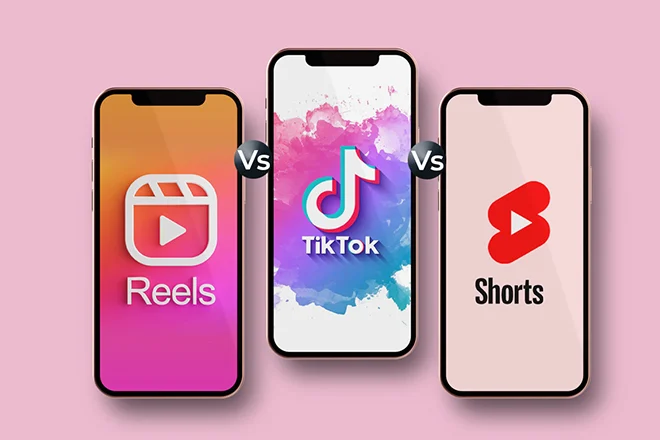
Motion graphics are also highly effective on social media platforms. Algorithms on Instagram, TikTok, and YouTube prioritize video content that keeps users engaged. Animated visuals are more likely to stop the scroll, increase watch time, and encourage interaction. As a result, brands that invest in motion graphics often see higher engagement rates, improved reach, and stronger overall performance in both organic and paid campaigns.
Another important benefit of motion graphics is flexibility. A single animated concept can be adapted for multiple platforms and formats, including vertical, square, or horizontal videos. This adaptability allows brands to maintain consistency across channels while optimizing content for each platform’s requirements. Compared to traditional video production, motion graphics often provide faster turnaround times and greater creative control.
Professional motion graphics production goes beyond animation alone. It requires strategic planning, storytelling, and a deep understanding of the target audience. Every movement, transition, and visual element should serve a purpose. When executed correctly, motion graphics do not just look appealing—they support marketing goals, enhance user experience, and drive measurable results.
In conclusion, motion graphics have become an essential component of modern brand communication. They help brands stand out in crowded digital spaces, communicate messages more effectively, and build stronger connections with their audiences. In an increasingly visual world, leveraging the power of motion graphics is no longer optional—it is a strategic necessity.