While video content dominates social media, not all videos perform equally across platforms. Each platform has unique user behaviors, content expectations, and algorithm preferences. Platform-specific video production focuses on creating content tailored to the requirements of each platform rather than using a one-size-fits-all approach.
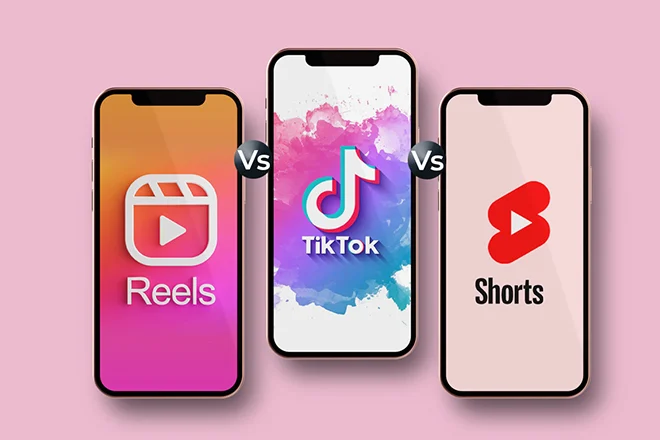
Instagram, TikTok, and YouTube are among the most influential video platforms today, yet they serve different purposes. Instagram Reels emphasize visually polished, brand-focused content with strong aesthetics. TikTok prioritizes fast-paced, authentic, and trend-driven videos. YouTube Shorts, on the other hand, favors informative, repeatable, and value-driven content. Understanding these differences is essential for maximizing performance.
Platform-specific production considers multiple factors, including video length, aspect ratio, pacing, and storytelling style. For example, TikTok videos often perform best when they feel natural and spontaneous, while Instagram content typically benefits from refined visuals and cohesive branding. YouTube Shorts require clear messaging that delivers value quickly and encourages repeat viewing.
Algorithms play a major role in content visibility. Platforms analyze how users interact with videos, including watch time, replays, and engagement. Videos that do not match platform expectations are more likely to be skipped, resulting in lower reach. By tailoring content to each platform, brands improve their chances of being promoted by algorithms and reaching wider audiences.
Another advantage of platform-specific production is content efficiency. A single campaign can be adapted into multiple versions optimized for different platforms. This allows brands to extend the lifespan of their content while maintaining relevance across channels. Rather than duplicating efforts, brands can strategically repurpose content for maximum impact.
Platform-specific videos also create a more natural connection with users. When content feels native to the platform, users are more receptive to the message. This leads to higher engagement, stronger brand perception, and increased trust. Audiences are more likely to interact with brands that understand the culture and expectations of each platform.
In conclusion, platform-specific video production is a vital component of modern digital marketing. By adapting content to the unique dynamics of Instagram, TikTok, and YouTube, brands can significantly improve visibility, engagement, and overall performance. Choosing the right format for the right platform ensures that video content delivers its full potential.